Higgs Boson Portal
a portal for up-to-date categorised articles about the Higgs boson

The HBP offers complete information about the latest and historic articles to experts. The categorisation is according to preliminary and published results. Using artifical intelligence, it also offers an automated categorisation for specific production and decay modes of the Higgs boson. The HBP database is updated daily.

ATLAS
CMS
CDF
D0
ALEPH
L3
DELPHI
OPAL

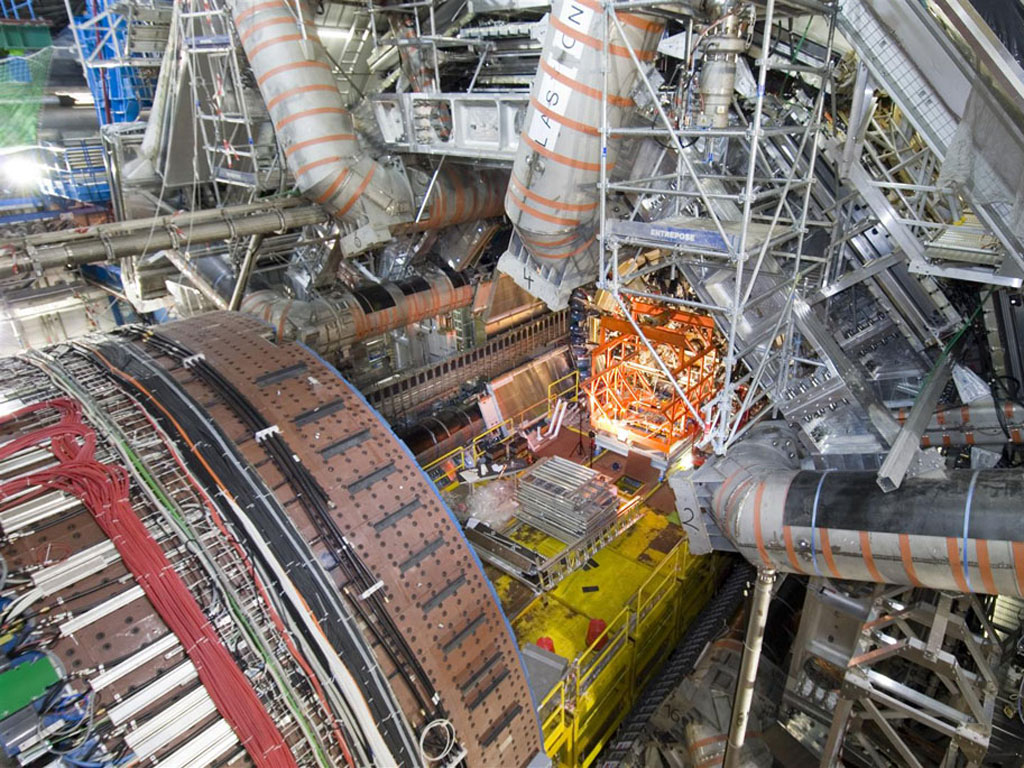
ATLAS Experiment

ATLAS is one of the four major experiments at the Large Hadron Collider (LHC) at CERN. It is a general-purpose particle physics experiment run by an international collaboration and, together with CMS, is designed to exploit the full discovery potential and the huge range of physics opportunities that the LHC provides.
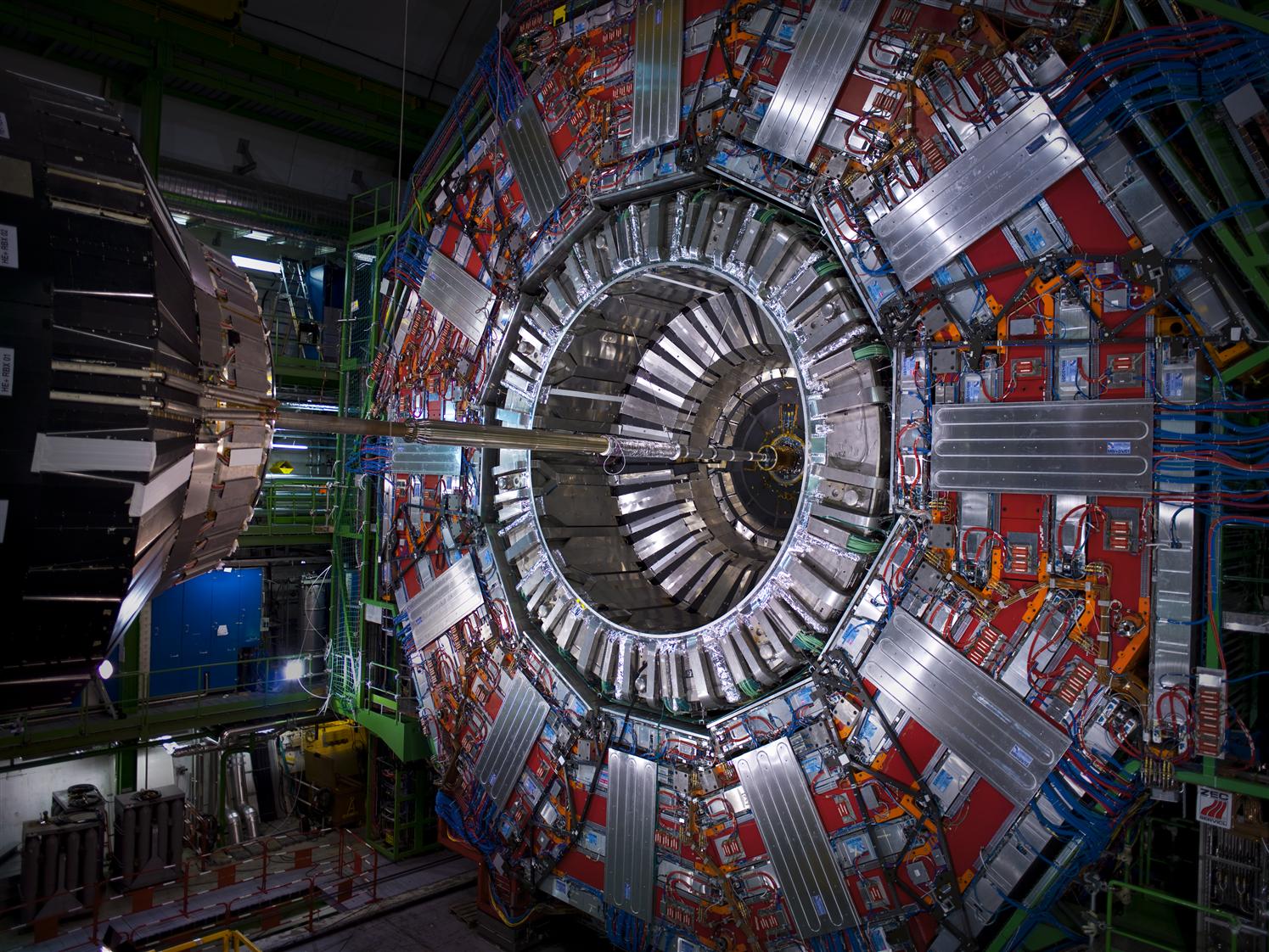
CMS Experiment

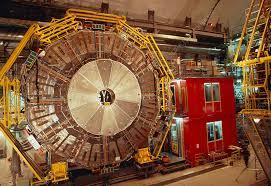
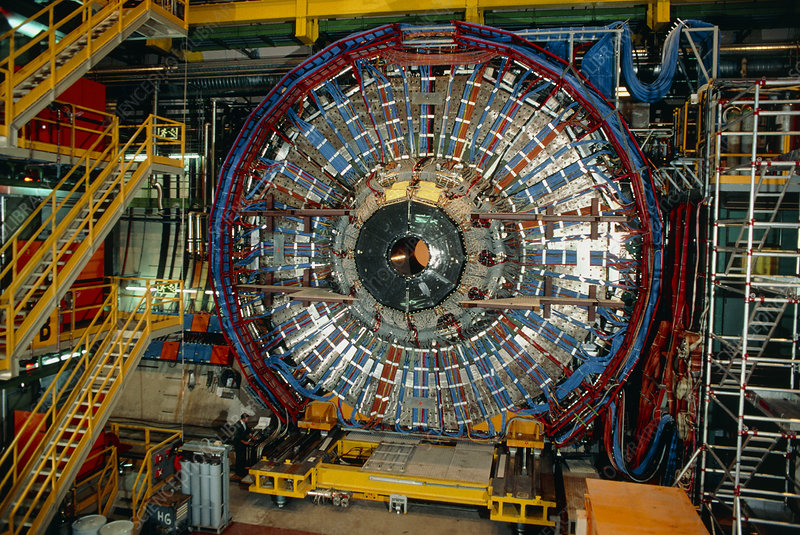
The Compact Muon Solenoid (CMS) is a general-purpose detector at the Large Hadron Collider (LHC). It has a broad physics programme ranging from studying the Standard Model (including the Higgs boson) to searching for extra dimensions and particles that could make up dark matter. Although it has the same scientific goals as the ATLAS experiment, it uses different technical solutions and a different magnet-system design.

CDF Experiment

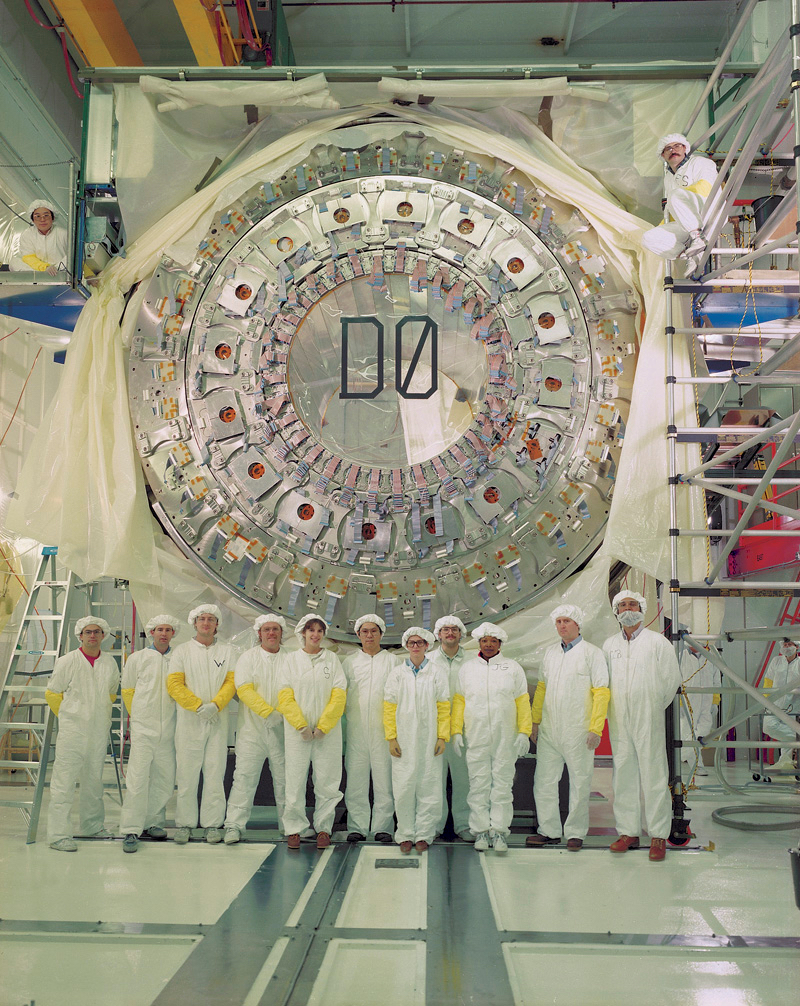
The DØ Experiment consists of a worldwide collaboration of scientists conducting research on the fundamental nature of matter. The experiment is located at the world's premier high-energy physics laboratory the Fermi National Accelerator Laboratory (Fermilab) in Batavia, Illinois, USA. The research is focused on precise studies of interactions of protons and antiprotons at the highest available energies provided by the Tevatron collider.

D0 Experiment

CDF stands for the Collider Detector at Fermilab. CDF is an experiment at Fermilab which studies high energy proton-antiproton collisions from data collected through 2011 from the Tevatron. The Tevatron accelerated protons and antiprotons close to the speed of light, made them collide head-on inside the CDF detector and we study the products of such collisions.

ALEPH Experiment

ALEPH was a particle detector on the Large Electron-Positron collider (LEP). It was designed to explore the physics predicted by the Standard Model and to search for physics beyond it.

DELPHI Experiment

DELPHI was one of four large detectors on the Large Electron-Positron collider (LEP). It took 7 years to design and build, and it started up in 1989. In December 2000, DELPHI stopped taking data and was dismantled to leave room for the construction of the Large Hadron Collider in the LEP tunnel.

L3 Experiment

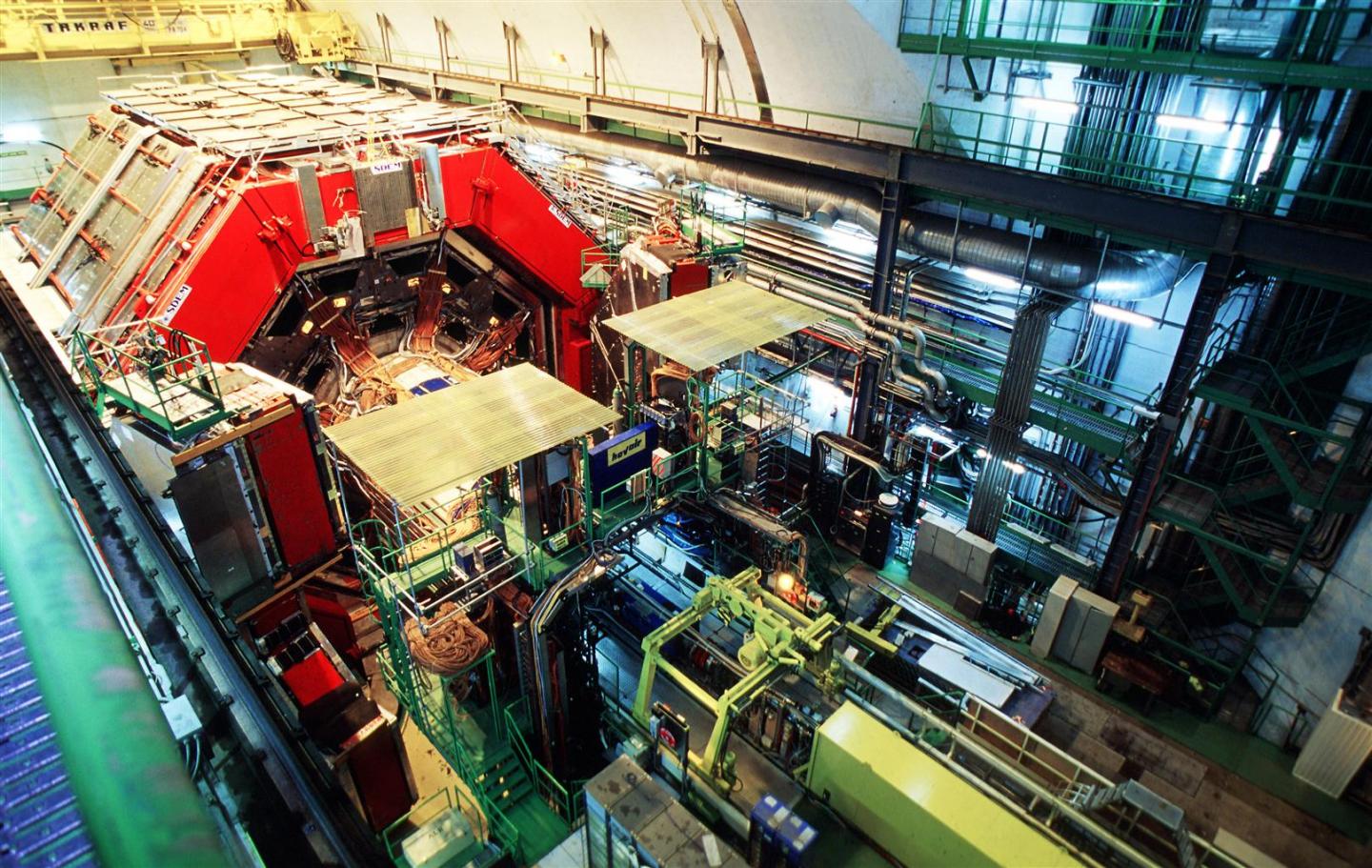
The L3 experiment was one of four large detectors on the Large Electron-Positron collider (LEP). The detector was designed to look for the physics of the Standard Model and beyond. It started up in 1989 and stopped taking data in November 2000 to make room for construction of the Large Hadron Collider (LHC). The ALICE detector now sits in the cavern that L3 used to occupy, reusing L3's characteristic red octagonal magnet.

OPAL Experiment

OPAL was one of four large detectors on the Large Electron-Positron collider (LEP). It started operation along with the collider in August 1989. Data taking for OPAL ended on 2 November 2000 and the detector was dismantled the following year to make way for construction of the Large Hadron Collider (LHC).